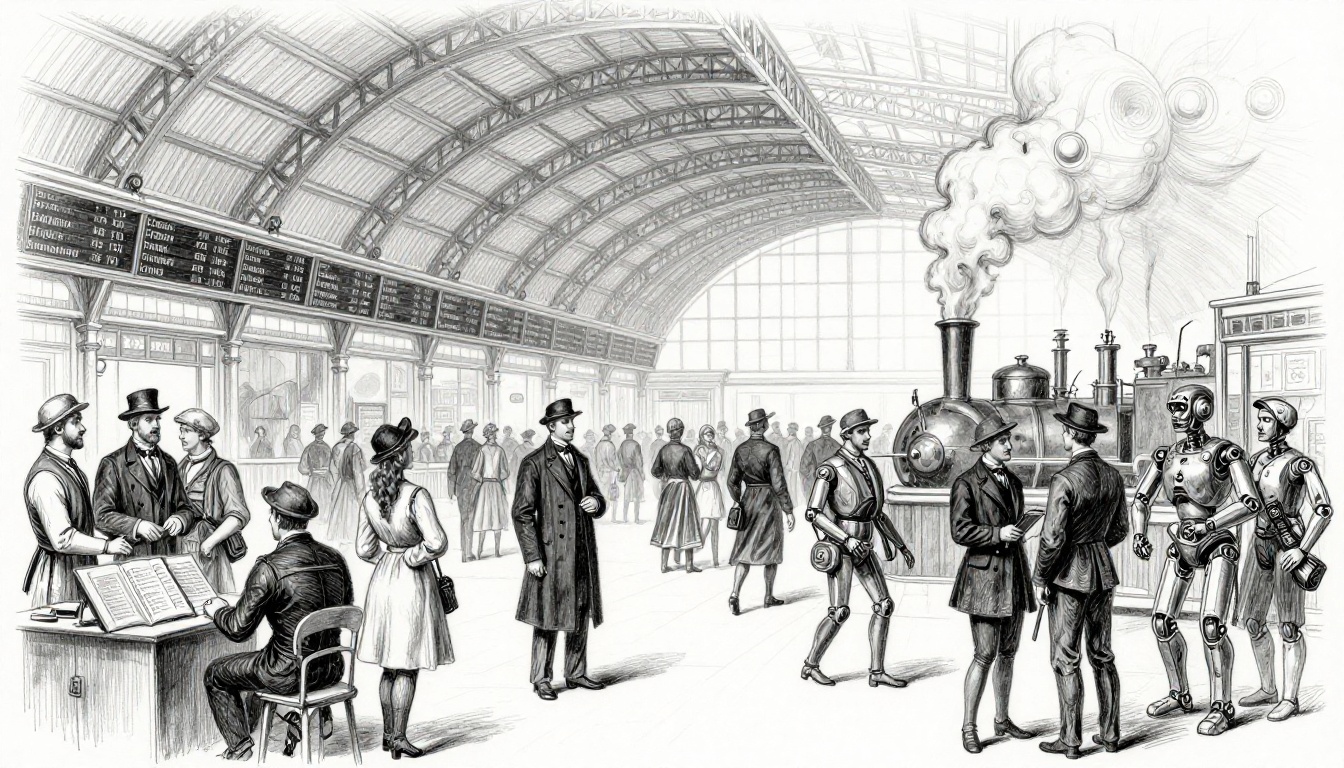
AI is changing travel companies' hiring mindset
February 25, 2026 • Source: PhocusWire
A wave of AI-focused recruitment is sweeping across the travel industry, with Expedia Group, Booking.com, Sabre, and other major players prioritizing AI literacy in new hires. This strategic shift signals a deeper integration of agentic AI capabilities into core operations and a growing demand for specialized AI talent.
**Key Facts:** • Travel companies are prioritizing AI literacy in hiring. • Expedia Group, Booking.com, Sabre actively seeking AI talent. • AI integration enhances customer experience and operational efficiency. • Demand for AI literacy extends beyond technical roles. • Airlines, hotels, and travel agencies benefit from AI-powered solutions.
The travel industry is undergoing a talent transformation as companies like Expedia Group and Sabre increasingly prioritize AI skills in their hiring processes, marking a significant move towards AI-driven operations.
The AI Talent Acquisition Race
Expedia Group, Booking.com, Sabre, Skyscanner, Flight Centre Travel Group, and Travelport are actively seeking candidates with expertise in artificial intelligence, machine learning, and related fields. The surge in AI-related job postings reflects a strategic pivot toward automating processes, enhancing customer experiences, and optimizing revenue management through AI-powered solutions.
These companies are not only hiring data scientists and AI engineers, but also product managers, marketing specialists, and even customer service representatives with a strong understanding of AI applications. The demand for AI literacy extends beyond technical roles, indicating a broader organizational shift toward embracing AI across all departments.
This hiring trend highlights a critical need for travel companies to adapt their workforce to the changing technological landscape. Companies are investing heavily in training programs and partnerships with universities to upskill existing employees and attract top AI talent.
Strategic Implications for Travel Tech Providers
For global distribution systems (GDS) like Sabre and Travelport, the focus on AI literacy translates to developing more intelligent booking platforms and travel management tools. By embedding AI into their systems, these providers can offer airlines, hotels, and travel agencies enhanced capabilities for dynamic pricing, personalization, and operational efficiency.
Online travel agencies (OTAs) such as Expedia Group, Booking.com, and Skyscanner are leveraging AI to improve search algorithms, personalize recommendations, and streamline the booking process. The integration of AI-powered chatbots and virtual assistants is also enhancing customer service and reducing operational costs.
The shift towards AI literacy also affects travel technology vendors. Companies providing revenue management systems, marketing automation tools, and customer relationship management (CRM) platforms must integrate AI capabilities to remain competitive and meet the evolving needs of their clients.
Impact on Airlines, Hotels, and Travel Agencies
Airlines stand to benefit significantly from the increased adoption of AI by travel tech providers. AI-powered solutions can help airlines optimize flight schedules, predict demand fluctuations, and personalize the passenger experience. Moreover, AI can improve fuel efficiency, reduce maintenance costs, and enhance safety protocols.
Hotels are using AI to optimize pricing strategies, personalize guest experiences, and automate operational tasks. AI-powered chatbots can handle customer inquiries, while machine learning algorithms can predict occupancy rates and optimize staffing levels. This leads to higher revenue and improved customer satisfaction.
Travel agencies can leverage AI to provide more personalized travel recommendations, automate booking processes, and enhance customer service. AI-powered tools can analyze customer preferences, predict travel patterns, and offer customized itineraries that meet individual needs. This helps travel agencies stay competitive in an increasingly digital marketplace.
Operational and Revenue Implications
The focus on AI literacy is expected to drive significant operational efficiencies across the travel industry. By automating repetitive tasks and optimizing processes, companies can reduce costs and improve productivity. This frees up human employees to focus on more strategic and creative tasks.
AI is also poised to unlock new revenue streams for travel companies. Personalized recommendations, targeted marketing campaigns, and dynamic pricing strategies can all lead to increased sales and improved profitability. AI-powered revenue management systems can help hotels and airlines maximize revenue per available room (RevPAR) and revenue per available seat mile (RASM).
However, the transition to an AI-driven workforce requires careful planning and execution. Travel companies must invest in training and development programs to ensure that their employees have the skills they need to work effectively with AI-powered tools. They also need to address ethical concerns related to data privacy, algorithmic bias, and job displacement.
Published February 25, 2026
More NewsLast updated: March 1, 2026