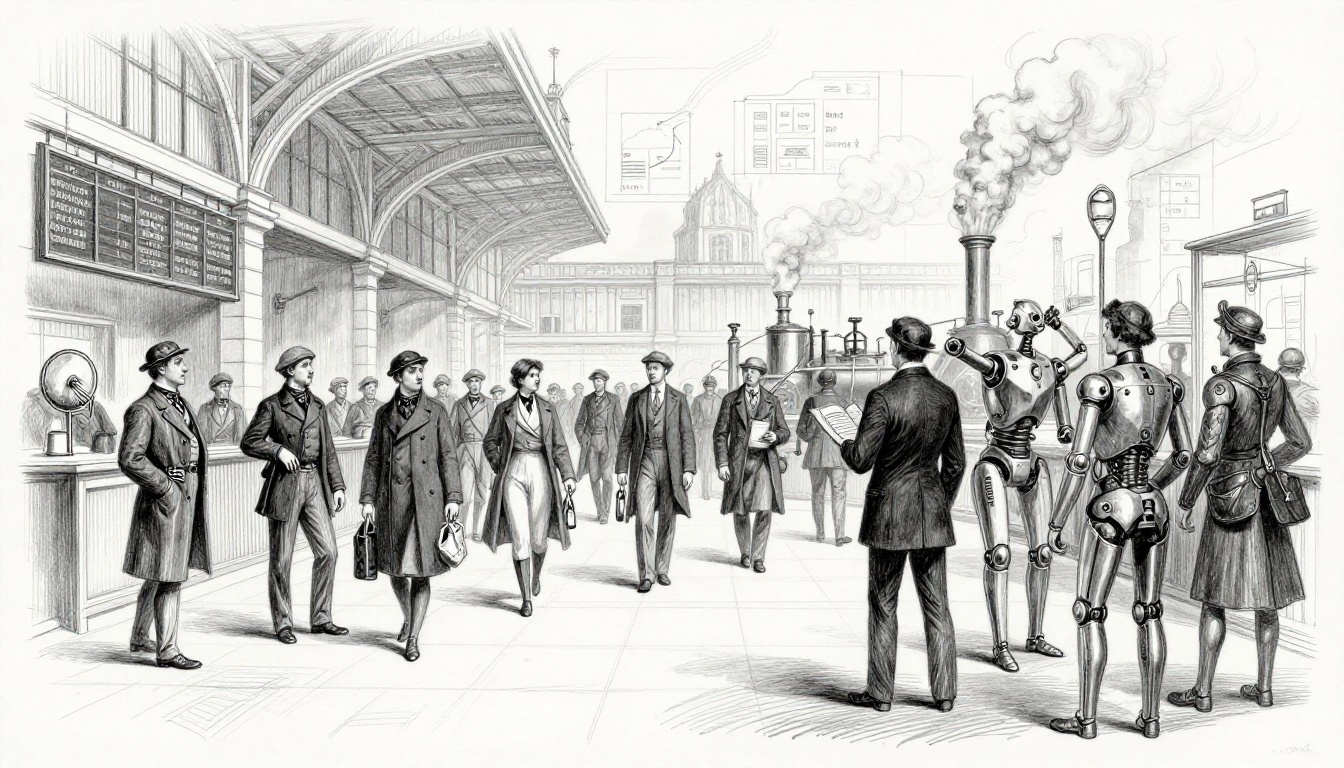
AI Quietly Rewrites How Travelers Book, Fly and Explore
April 13, 2026 • Source: ePlaneAI
Artificial intelligence is increasingly becoming an embedded and often unseen force across the travel industry, transforming core processes from airline flight scheduling and operations management to hotel dynamic pricing and personalized trip discovery. The technology allows for more efficient resource allocation and optimized revenue streams. However, online travel agencies (OTAs) are facing new challenges in adapting to the increasing influence of AI in shaping travel planning and booking experiences.
**Key Facts:** • AI is transforming flight scheduling and airline operations. • Hotels are using AI for dynamic pricing and revenue optimization. • OTAs face challenges adapting to AI's influence on trip discovery. • AI is enabling airlines to predict contrail formation. • TMCs can leverage AI to enhance corporate travel programs. • Airports are using AI to improve operational efficiency and passenger experience.
Artificial intelligence is moving beyond hype to become a fundamental component of the travel industry’s infrastructure, impacting everything from flight trajectory optimization to hotel revenue management and personalized travel recommendations, with implications for airlines, hotels, OTAs, and travel management companies (TMCs).
AI-Driven Efficiencies in Airline Operations and Flight Scheduling
Airlines are leveraging AI to optimize flight scheduling and enhance operational efficiency, leading to reduced fuel consumption and improved on-time performance. By analyzing historical flight data, weather patterns, and air traffic congestion, AI algorithms can predict potential delays and adjust flight schedules accordingly, minimizing disruptions for passengers.
AI's role extends to predicting contrail formation, allowing airlines to make informed decisions about flight paths to minimize their environmental impact. This proactive approach to sustainability aligns with growing consumer demand for eco-friendly travel options and regulatory pressures to reduce carbon emissions.
Furthermore, AI-powered predictive maintenance systems are helping airlines anticipate potential equipment failures, enabling proactive maintenance and reducing the risk of unscheduled downtime. This translates to increased aircraft utilization and lower maintenance costs.
Dynamic Pricing and Revenue Optimization in the Hotel Sector
Hotels are increasingly relying on AI-driven revenue management systems to optimize pricing strategies and maximize revenue per available room (RevPAR). These systems analyze vast amounts of data, including historical booking patterns, competitor pricing, and local events, to dynamically adjust room rates in real-time.
AI enables hotels to personalize pricing based on individual customer preferences and booking behavior. By understanding customer segments and their willingness to pay, hotels can offer targeted discounts and promotions, increasing occupancy rates and overall profitability.
This shift towards AI-powered dynamic pricing requires hotel revenue managers to adapt their skill sets and embrace data-driven decision-making. The ability to interpret AI insights and translate them into effective pricing strategies is becoming a critical competency in the hospitality industry.
Challenges and Opportunities for Online Travel Agencies (OTAs)
OTAs face challenges in adapting to the growing influence of AI in shaping trip discovery and booking experiences. As airlines and hotels leverage AI to personalize offers and bypass traditional distribution channels, OTAs must find new ways to differentiate themselves and provide value to travelers.
AI can also be used to enhance the customer experience by providing personalized travel recommendations and intelligent search capabilities. By understanding traveler preferences and travel patterns, OTAs can offer tailored itineraries and suggest relevant destinations and activities.
To remain competitive, OTAs need to invest in AI technologies and develop innovative solutions that leverage the power of data and machine learning. This includes improving search algorithms, personalizing recommendations, and providing seamless booking experiences across multiple devices.
Implications for Travel Management Companies (TMCs) and Airports
TMCs are positioned to leverage AI to enhance corporate travel programs, optimizing travel spend and improving traveler satisfaction. AI can automate travel booking processes, track travel expenses, and provide real-time insights into travel patterns and cost savings opportunities.
Airports are also exploring the use of AI to improve operational efficiency and enhance the passenger experience. AI-powered systems can optimize airport security screening, manage passenger flow, and provide real-time information about flight delays and gate changes.
For example, AI can analyze passenger traffic patterns to optimize staffing levels at security checkpoints, reducing wait times and improving overall passenger satisfaction. Similarly, AI can be used to predict potential bottlenecks in the airport terminal and proactively re-route passengers to less congested areas.
Published April 13, 2026
More NewsLast updated: May 6, 2026